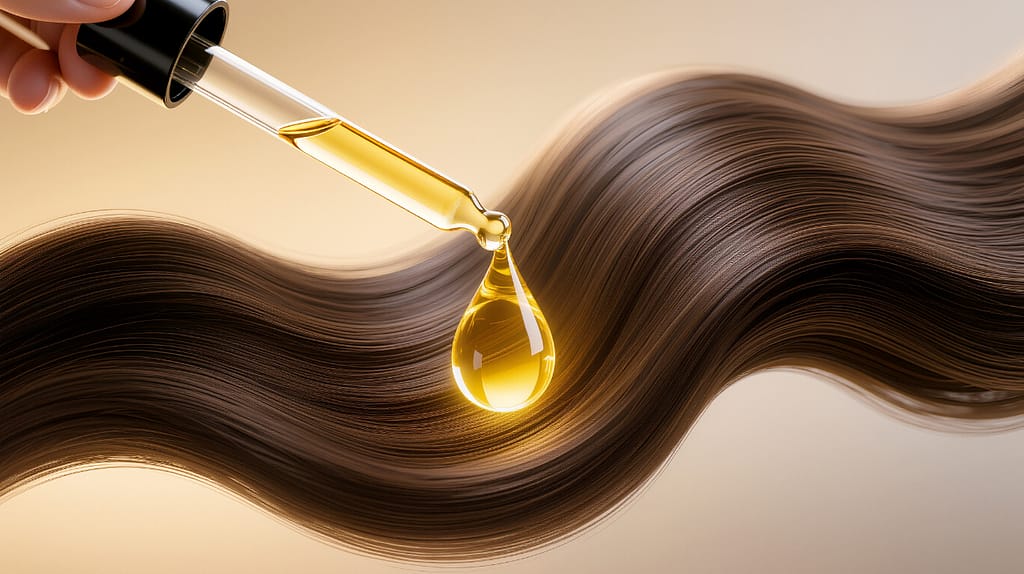
To achieve healthy, shiny, and smooth hair, it requires consistent care and the right professional treatments, such as a hair spa. Among various salon hair services, a hair spa treatment is the most effective way to repair damaged hair, rebalance the scalp, and deeply nourish each strand. In contrast to DIY hair masks and regular conditioning, a hair spa represents the most effective scientific approach to enhancing your hair and maintaining scalp health.
Hair spa provides complete combined care to scalp and hair, like cleansing, massage therapy, steaming, and targeted hair masks to give long-lasting results rather than temporary softness.
This guide is especially useful if you are considering a professional hair spa treatment at a salon and want to choose the right option based on your hair concerns.
In this Blog, you’ll learn detailed information about hair spa treatments, including their types, benefits, steps involved, and the best hair spa treatment according to your specific hair concern. Whether you struggle with frizz and dry hair, dandruff, dullness, or hair fall. This guide will help you understand which hair spa treatment to choose and why.
2. Key Benefits of a Hair Spa Treatment
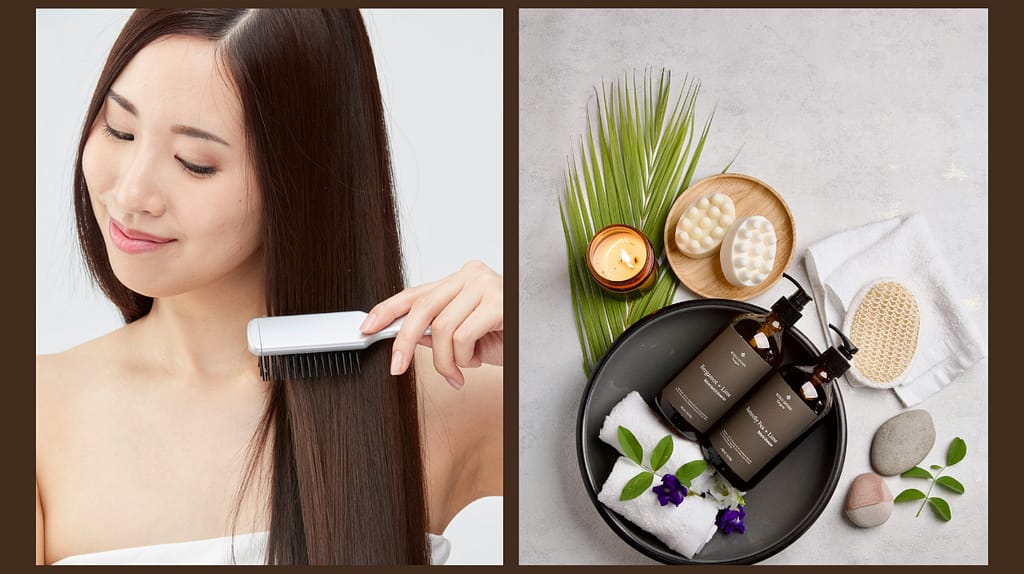
Hair spa treatment is not just a process to get surface-level smoothing for your hair, but also a professionally done hair spa gives you multiple benefits as it goes deeper than the surface-level to nourish your hair and overcome problems like damaged hair, dandruff, or hair fall issues, and leaves you with smooth and shiny hair. It works on both hair and scalp, improving overall hair health from the roots to the ends.
Why You Should Get a Hair Spa:-
1. Deep Moisturization & Nourishment
Dry and frizzy hair lacks moisture at a structural level. Hair spa masks contain hyaluronic acid, ceramides, essential oils, and natural butters that restore hydration and seal it inside the cuticle. This leaves the hair manageable, smooth, and shiny.
2. Strengthens Roots & Reduces Hair Fall
The massage step in hair spa treatment increases the blood circulation, delivering oxygen and supplying essential nutrients. Combined with peptide-rich masks, this helps reduce hair fall significantly and strengthen weak roots.
3. Hair spa treatment helps in restoring shine & smoothness
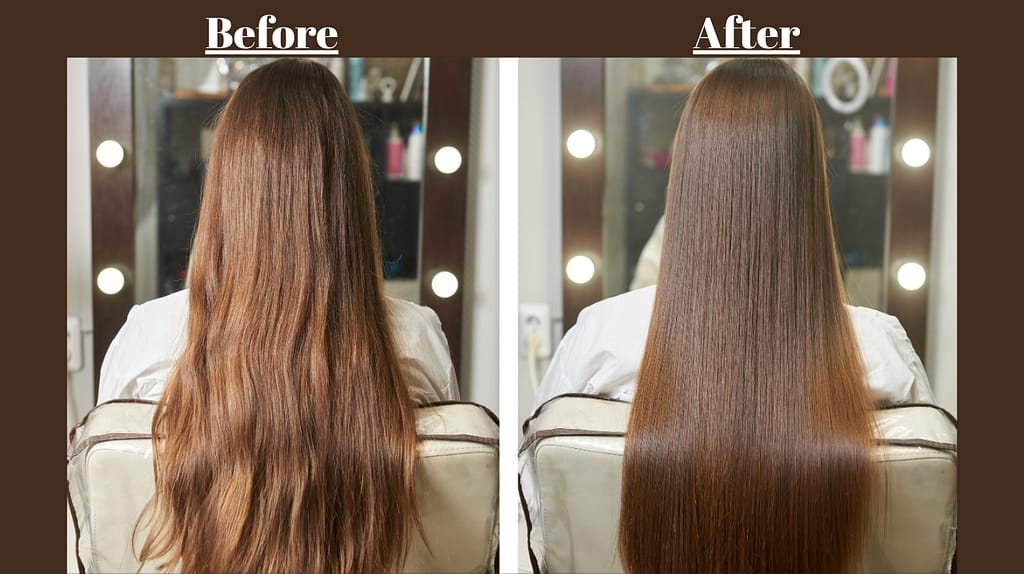
Hair spa treatments not only reduce the dryness and roughness, but in addition to this, they also give hair a natural, glossy finish that lasts for days by repairing the damaged cuticle layer.
4. Balances the Scalp
Doesn’t matter if you have oily scalp, dryness, or dandruff issues; a hair spa brings your scalp back into balance. This provides a healthy environment for hair growth.
5. Repairs Damage from Heat & Chemicals
As many people do experiments with their hair for a confident and smart look, like colouring their hair, using straightening, smoothing, and heat styling, these cause internal damage to hair. But Hair spa treatment gives effective solutions for this, as hair masks contain amino acids and proteins that help reconstruct the hair’s structure.
Overall, a hair spa treatment acts like a reset button for your hair and brings it back to its natural, healthy state.
3. Different Types of Hair Spa Treatments
Hair spa treatments have various types, each type is used according to different needs or problems for every hair type.
1. Hydration Hair Spa Treatment (Dry & Frizzy Hair)
This hair spa is used when hair loses its moisture and gets dehydrated, rough, and lifeless. So in this spa, products are used that are rich in hyaluronic acid, shea butter, and ceramides, which refill the lost moisture and seal the cuticle. It’s best for people living in humid climates or those whose hair is completely damaged.
Best For:-
- Heat-damaged hair
- Dry hair
- Extremely frizzy hair
- Rough texture
2. Anti-Dandruff Hair Spa Treatment (Flaky or Itchy Scalp)
Dandruff is a very common issue, especially in changing weather or in the winter season. If your main concern is also this, then an anti-dandruff hair spa is going to work best for you, as it focuses on exfoliating dead skin cells and controlling fungal growth. Ingredients like zinc pyrithione, salicylic acid, and tea tree oil help clear flakes while soothing irritation and itchiness.
Best For:-
- Persistent dandruff
- Itchy or irritated scalp
- Scalp inflammation
- Flaky skin
3. Hair Growth / Anti-Hairfall Spa (Weak Roots)
This treatment is designed to stimulate blood circulation and strengthen the roots. It uses plant stem-cell extracts to support healthier hair growth, peptides, and biotin for thicker hair growth. Perfect for those who have a weak scalp and are dealing with stress-related hair fall.
Best For:-
- Thin hair
- Weak roots
- Excessive daily hair shedding
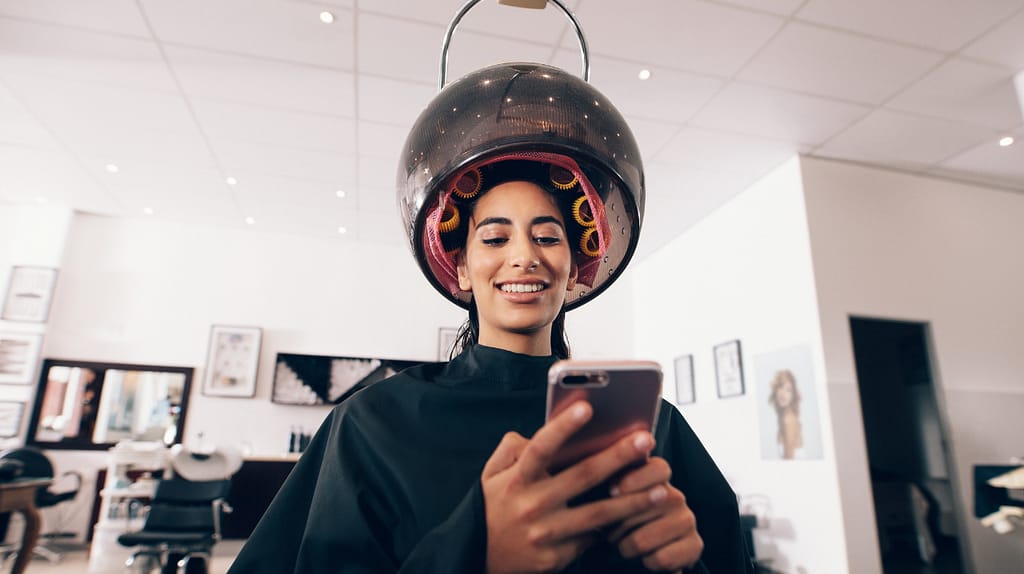
4. Hair spa treatment for Curly (Moisture Lock + Curl Definition)
Curly hair naturally needs more hydration. This spa uses rich oils, butters, and curl-enhancing molecules to keep curly hair healthy and moist, reduce breakage, and maintain bounce. It prevents dryness-related frizz and improves elasticity.
Best For-
- Hair lacking bounce
- Wavy, curly, or coily hair
- Dry curls
5. Keratin/Smoothening/Cuticle Repair Spa treatment (Frizzy and Rough Ends)
This spa targets rough cuticles, split ends, and frizzy texture. Using keratin-infused formulas and lipid binders, it seals the outer layer of hair and makes it smooth and glossy.
Best For-
- Very frizzy hair
- Curly or wavy hair needing smoothness
- Puffy hair
6. Colour – Protection Hair Spa (Chemically Treated Hair)
Bleached or coloured hair becomes porous and fragile when harsh chemicals come into contact with natural soft hairs, stripping the moisture. This spa helps to protect and lock the colour for longer, and prevents fading using anti-fade complexes and UV filters. It also restores softness lost during chemical processes.
Best For–
- Recently coloured or bleached hair
- Chemically straightened hair
- Hair with balayage or highlights
7. Detox Spa Treatment (Oily or Product-Buildup Scalp)
When your scalp feels greasy or heavy, a detox spa is beneficial for oily hair. This hair spa treatment uses things like clay masks, charcoal, and AHAs to clean the scalp deeply and regulate excess oil production. Therefore, you can get a fresh oil-free scalp, which gives you a clearer and fresher look.
Best For–
- Very oily scalp
- Scalp odour
- Limp hair with no volume
4. Steps Covered in a Professional Hair Spa Treatment
A salon hair spa is well-structured and contains 6 steps to finish the process. Each step has a specific purpose that contributes to overall hair and scalp health treatment.
Step 1: Scalp Cleansing / Shampooing
Firstly, the therapist begins by cleansing the scalp thoroughly to remove oil, dirt, and buildup. Before moving to the next step, this ensures that the treatment can work effectively. A clean scalp improves product absorption and prevents irritation.
Step 2: Hair & Scalp Analysis
At the Second Stage – Before applying treatments, the hair spa professional deeply understands and checks the hair texture, dryness level, scalp condition, dandruff presence, or hair fall pattern. This helps select the most suitable type of hair spa for the client.
Step 3: Apply Hair Mask / Treatment Cream
After cleansing and analysing the hair and scalp, a nourishing mask is applied section by section. The mask is enriched with proteins, vitamins, hydrating agents, and natural oils. This step deeply conditions the hair, restores softness, and repairs damaged cuticles.
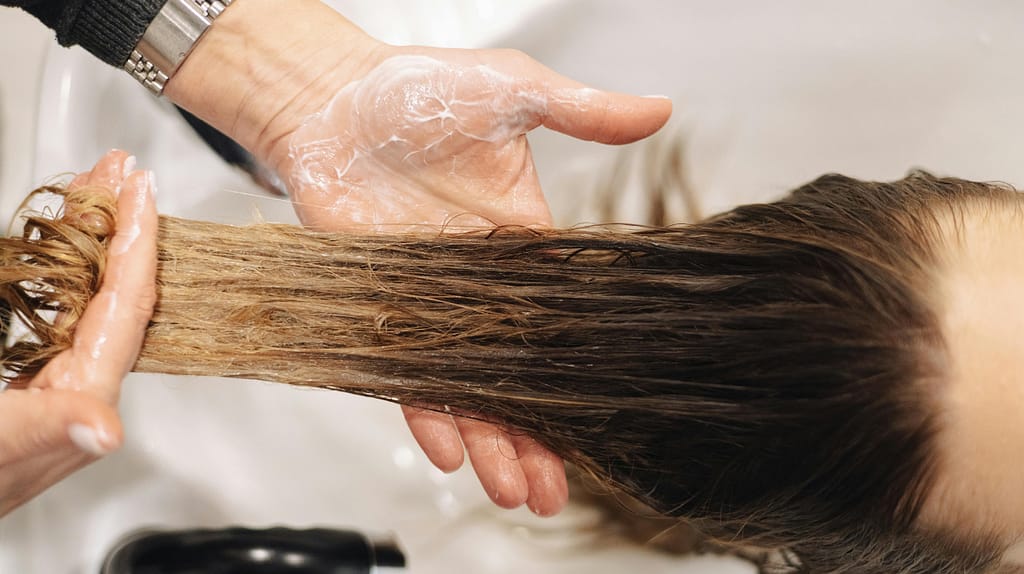
Step 4: Steam Therapy
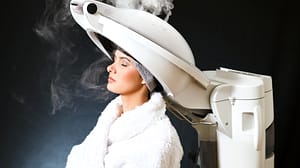
Afterwards, they start with steaming the hair and scalp, which helps open the hair cuticles and allows ingredients to deeply penetrate into your scalp. It boosts hydration, accelerates repair, and enhances smoothness. This is the most important step that is responsible for the visible hair spa results.
Step 5: Scalp Massage
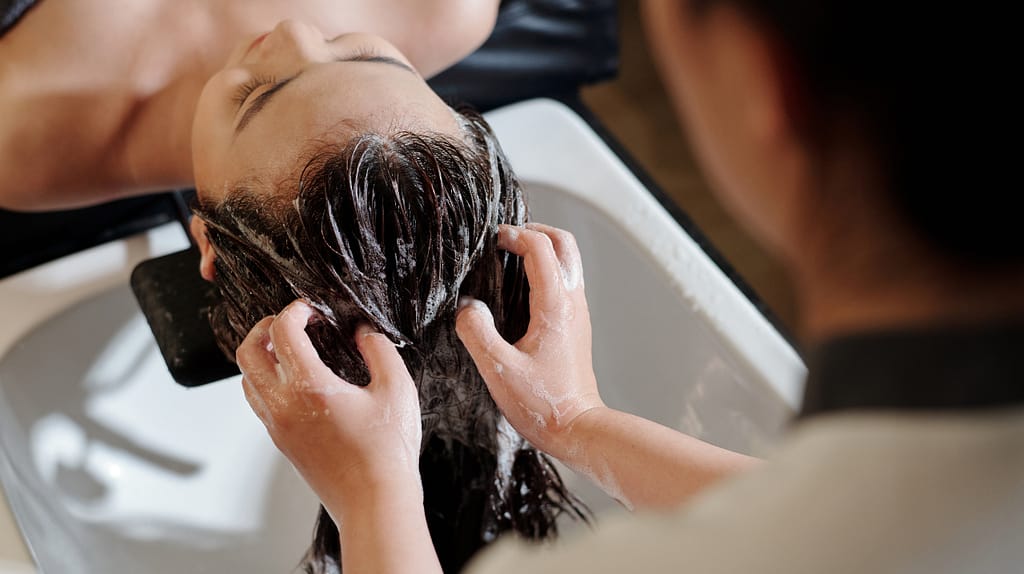
A gentle massage stimulates blood flow, strengthens roots, relieves stress, and enhances nutrient delivery. It also relaxes your mind and reduces tension.
Step 6: Rinse & Seal with Serum
In the last step of hair spa treatment, hair gets rinsed with lukewarm water, and then a protective serum is applied by the therapist to seal the cuticles. The serum adds smoothness, shine, and protects the hair from dust, popollution and heat, which gives your hair a new transformation.
5. How Often Should You Get a Hair Spa Treatment?
Most people get a hair spa after 3–4 weeks, regardless of hair type. This duration allows the hair to recover from dryness, pollution, and heat styling without over-softening or causing product buildup. Coloured, weak, and dry hair especially needs monthly nourishment to maintain strength and shine, whereas heavily damaged hair may require slightly more frequent sessions, which can be around every 2–3 weeks, until the hair condition improves, but again, everything depends on your hair condition and type.
6. Who Should Avoid a Hair Spa Treatment? (Important Precautions)
Hair spa is actually safe for most people, but a few conditions may require caution or temporary avoidance.
Avoid and consult a specialist if you have:–
• Severe Scalp Infection (Fungal or Bacterial)
Hair spa involves massage and steaming, which can worsen an active infection.
• Scalp Injuries, Fresh Cuts or Wounds
In such a case, steam and products may irritate or affect the open wound of your skin, so wait until it heals properly.
• Allergic or Sensitive Scalp
A patch test at the salon is recommended, as some products may irritate.
• Medical Hair Loss (Alopecia areata, Thyroid Hair Loss)
Remember, Hair spa does not cure medical hair fall as it only helps with breakage and dryness. Consult a dermatologist first.
• Recent Rebonding or Keratin
Professionals do not recommend hair spa treatment just after getting rebonding or keratin, so wait for at least 15-20 days.
• Extremely Weak, Over-Processed Hair
Some people have fragile hair, so if you are one of them, then please make sure to get hair spa treatment only from a professional, as they can check and suggest which one could be safe for your hair.
Important Information
Hair spa treatment should only be avoided when done at home incorrectly or without proper knowledge/diagnosis. At a salon, the professional checks your scalp, selects safe products, and customises the treatment, and this step can reduce all risks.
7. Hair Spa Treatment at Home vs Salon: What’s the Real Difference?
Many people get confused about whether DIY hair spa treatment at home can deliver better results or if getting a hair spa from salons is more beneficial. The answer is simple: home hair spa treatment is good for maintenance or short/surface-level results, but salon hair spa delivers actual deep, long-lasting repair.
At Home-
- You can have a hair spa treatment at home, but it only hydrates at the surface level.
- You can apply hair spa products, but you cannot get hair steam penetration, as salons use special hair spa steamers for it.
- At home, you can do the therapy, but no professional will be available to analyse your hair and scalp professionally and guide you to which hair spa you should go to according to your hair care needs.
- Also, a hair spa at home gives only temporary softness that lasts for only 2–3 days.
- Hair spa at home works only for mild dryness.
At Salon:-
- As compared to home hair spa treatment, salon spa service provides professional steam hair therapy that helps fix your hair more effectively.
- Professional diagnosis and customised treatments according to hair type and needs.
- High-quality ingredients like ceramides, amino acids, and peptides are used by professionals.
- Repairs internal hair damage.
- Results last longer, up to 10 to 18 days.
In short, a home hair spa is great for quick fixes, while a salon hair spa offers real, transformative results.
8. Side Effects of Hair spa treatment (Rare & Mostly When Done Incorrectly)
Important: These side effects are neither dangerous nor permanent. Hair spa treatment can only be risky when done at home with the wrong products.
A professional salon hair spa is designed to be safe.
Possible Mild Side Effects of Hair spa treatment:-
• Temporary Oily/Greasy Feeling
The scalp may feel oily if too much product is used.
Professionals use the measured and right quantity.
• Mild Redness or Itching
This only happens if the product is not suitable for your scalp.
In salons, proper analysis reduces this risk.
• Weighed-Down Hair
Using heavy or excessive masks on thin hair can reduce volume.
Salon professionals use lightweight formulas for fine hair.
• Increased Hair Fall for 1–2 Days
This is normal as loose and weak strands shed during massage, but not because the spa caused damage.
• Product Buildup (If Not Rinsed Properly)
This issue can mostly be faced when a spa is done at home because it requires professional rinsing or steam therapy.
10. Aftercare Tips to Maintain Hair Spa Results Longer
1. Use a sulfate-free shampoo.
It preserves the hydration and smoothness created during the spa.
2. Avoid washing your hair for 48 hours after the hair spa.
Let the mask ingredients properly settle into your cuticle.
3. Avoid heat styling.
Excess heat can again cause damage to your hair and reverse spa benefits. Use a heat protectant if needed.
4. Apply a lightweight serum daily.
To keep the hair shiny and protect it from pollution, use the hair serum regularly.
5. Use a satin pillowcase for sleep
Reduces friction and prevents frizz returning.
6. Avoid using hair oil immediately after a spa.
Wait 4 to 5 days before applying oil to avoid disrupting the treatment.
7. Follow a healthy diet.
Hydrated hair starts from within, so eat protein-rich foods, drink water,r and include omega-3 fats.
Conclusion
A Salon hair spa treatment is one of the most effective ways to revive dull, damaged, dry, or unmanageable hair. A hair spa has multiple types for different concerns—whether dandruff, hair fall, dryness, or colour damage — hair spa helps fix all the problems of every hair type and gives your hair its smoothness and shine back. However, a DIY hair spa can provide temporary moisture; a salon hair spa gives long-lasting, deeper results that significantly improve your hair’s overall health.
To book a hair spa service or any other hair service, visit our website at www.glamylooks.com or click on the blue link and schedule your appointment.
- Daily Skin Care Routine at Home | Guide for All Skin Types

- Hair Spa Treatment: Full Benefits, Types & Care Tips

FAQ
Home hair spas help with basic nourishment, but salon hair spa treatments are more effective because they include professional scalp massage, steam therapy, and targeted products. Salon treatments penetrate deeper into the scalp and hair shaft, giving longer-lasting results.
Hair spa treatments are generally safe for colored or chemically treated hair, but the products must be sulfate-free and designed for treated hair. Always inform the salon about coloring, smoothening, or keratin treatments so the spa products can be selected accordingly.
People with active scalp infections, severe dandruff, open wounds, or scalp allergies should avoid hair spa treatments until the condition is treated. In such cases, consulting a dermatologist or hair specialist before any spa treatment is recommended.
Yes, mild hair fall after a hair spa is normal and temporary. During the massage and washing process, weak or already-shed hairs come out. A proper hair spa treatment actually helps reduce long-term hair fall by improving scalp circulation and strengthening hair roots.
Hair spa treatments are suitable for most hair types, including dry, oily, and chemically treated hair. The key is customizing the products according to scalp condition and hair texture. A professional consultation before the treatment ensures safe and effective results.
Hair spa treatments generally do not have serious side effects when done correctly. However, using the wrong products for your hair type or doing hair spa too frequently can cause scalp buildup, greasiness, or increased dandruff. Choosing the right treatment and maintaining a proper gap between sessions helps avoid these issues.